
You know the feeling. That second cup of coffee that jolts instead of energizes. The way a notification chime makes your shoulders tense, not with anticipation, but with a low-grade dread. The endless scroll that leaves you feeling hollow, not connected. We live in an age of more. More input, more opportunity, more stimulation, and we’ve learned to pathologize the slump that follows. We call it burnout, fatigue, or anxiety, and often, we try to solve it by adding something else: a new supplement, a stricter workout regimen, a productivity hack.
But what if the problem isn’t a lack of something, but a crushing presence of too much? What if your exhaustion isn’t a sign of weakness, but a profound act of intelligence by your most ancient system: your nervous system.
Your nervous system isn’t a spreadsheet. It’s a living, breathing ecosystem, a finely-tuned instrument constantly reading the winds of your world. And right now, it might be whispering or screaming for less. Here’s how to recognize its language.
The Silent Signals: Your Body’s Whispered Pleas
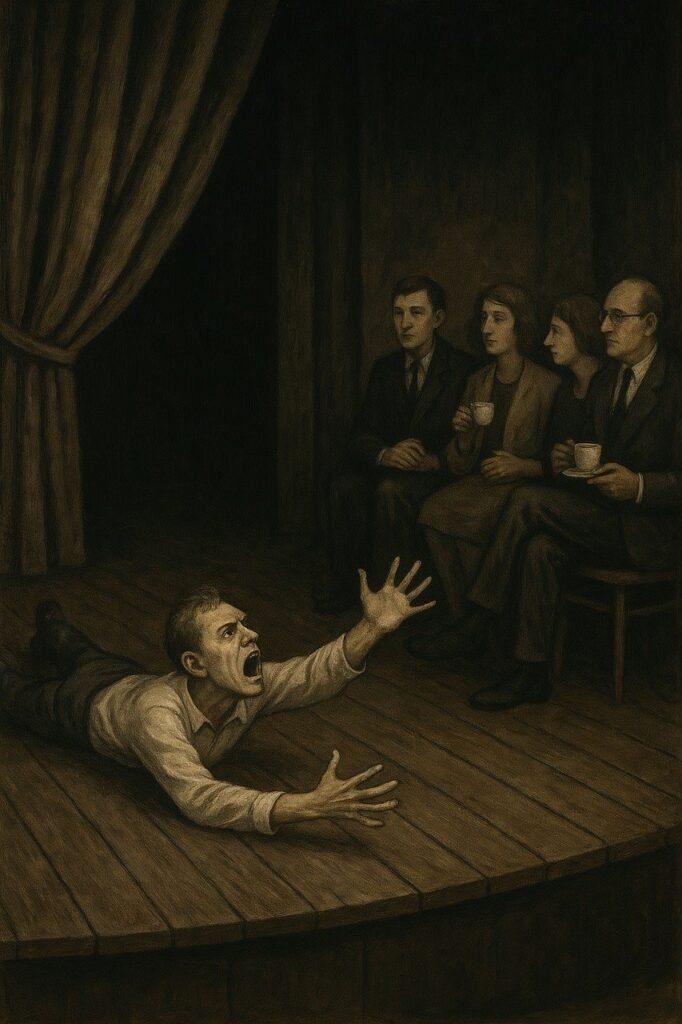
- The Clench: Notice it. The jaw tight while you work. The fists balled in your pockets during a walk. The perpetual knot between your shoulder blades. This is your body armoring itself, bracing for the next demand. It’s not preparing for a tiger, but for the next email, the traffic, the decision of what to make for dinner. Chronic tension is a standing army your nervous system can’t afford to maintain.
- The Hum of Nowhere: You’re not exactly anxious, but you’re not calm. There’s a static, a background hum of unease. It’s the feeling of being “on” even when you’re off. This is your sympathetic nervous system (the accelerator) idling too high. It’s forgotten how to shift into park, because you’ve forgotten how to truly stop.
- The Noise of Small Things: The drip of the tap becomes infuriating. The crunching of chips feels like a personal affront. Your partner’s breathing is suddenly too loud. When your nervous system is saturated, it loses its ability to filter. Every sensory input hits with the same volume. Irritability is often just sensory overwhelm in a bad mood disguise.
- The Broken Buffer: You cry at a sentimental commercial. A minor criticism from your boss ruins your week. You feel either numb to everything or raw to everything. This emotional permeability is a sign your nervous system has run out of its resilience reserves. The protective layer is thin.
- The Loop of Never-Rest: You’re tired, but you can’t sleep. Or you sleep, but wake feeling like you ran a marathon in your dreams. Rest becomes elusive, not because your body doesn’t need it, but because your nervous system is stuck in a cycle of alertness. True rest requires safety, and an overwhelmed system does not feel safe.
The Radical Prescription: Less as the New More
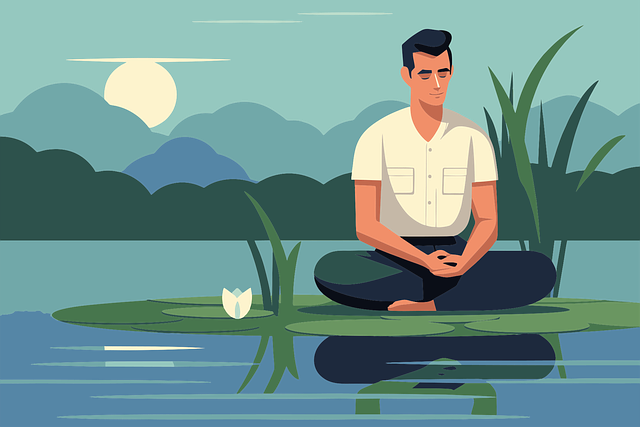
Heeding these signs isn’t about self-improvement. It’s about self-preservation. It’s the radical, countercultural act of subtraction.
Less Stimulation, Not More Motivation. Before you sign up for that 5 AM bootcamp, ask: does my system need firing up, or settling down? Perhaps the heroic act is not another podcast, but five minutes of staring at the sky. It’s trading the stimulant for the sedative of silence.
Less Connection, More Reconnection. The digital world offers infinite connection to everything except the ground beneath your feet. Your nervous system regulates to real, physical anchors: the weight of your body in a chair, the texture of tree bark, the steady rhythm of your own breath. Log off to reconnect here.
Less Doing, More Being in the Mundane. Fold the laundry and just fold the laundry. Wash the dish and just feel the warm water. We fragment our attention into a thousand tiny tasks, each a micro-stressor. A singular focus on a simple, present-moment task is a neurological balm. It tells your system, “For these two minutes, there is only this. You are safe.”
Less Future-Tripping, More Present-Moment Sensing. Anxiety is often the tax we pay on a future we cannot control. Your nervous system lives in the now. Bring it back. Name five things you can see. Four you can touch. Three you can hear. This isn’t mindfulness jargon; it’s a direct line to your vagus nerve, the commander of your “rest and digest” state, telling it: “The immediate environment is not threatening. You can stand down.”
The Gentle Release
Start small. It’s not about moving to a cabin in the woods (though the fantasy is telling). It’s about:
- Inserting micro-pauses: Three conscious breaths before you start the car.
- Creating sensory boundaries: One hour without screens before bed. A meal without a phone.
- Embracing boring: Let yourself be unproductive. Stare out the window. It’s not wasted time; it’s system rebooting.
Your nervous system is the foundation of your entire human experience. You cannot build a life of joy, creativity, and connection on a foundation that is quaking. Listen to its tremors. They are not a sign you are failing at keeping up. They are a sign you are being asked, urgently and lovingly, to slow down.
The most profound act of care you can offer yourself today might not be adding something to your life, but kindly, deliberately, taking something away. Give it less. So you can feel more of what actually matters.