
We don’t notice the hum until it stops.
The phone pings, the screen glows, the coffee jolts, the podcast fills the silence between floors in the elevator. The to-do list scrolls in your mind like a stock ticker. The news cycles, the social feeds refresh, the notifications accumulate like digital dust.
This isn’t just a busy life. This is a state of being a permanent residency in the Kingdom of Too Much. We are living, breathing, in a state of chronic overstimulation, and we’ve started to mistake its buzzing static for the sound of being alive.
The Architecture of Overload
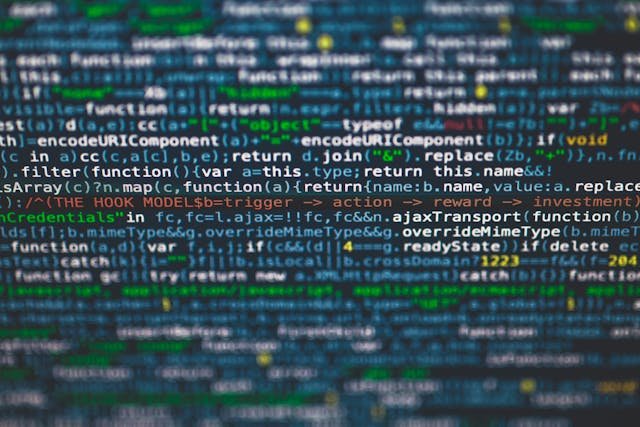
Our brains are magnificent, ancient machines, built for spotting berries in foliage and predators in tall grass. They were not built for the 21st century’s firehose of information. The amygdala, our threat-detection center, now interprets the ding of a text with the same neurological urgency our ancestors reserved for a rustle in the bushes that might be a lion.
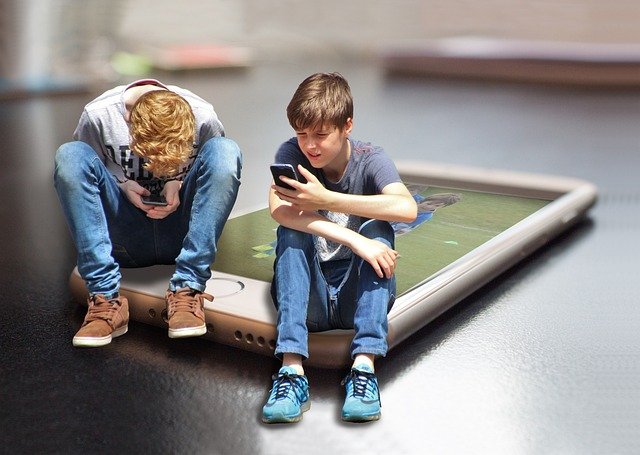
We’ve outsourced our nervous systems to our devices. The average person touches their phone over 2,600 times a day. Each touch, each swipe, is a micro-decision, a micro-stimulus, a tiny hit of dopamine or cortisol. We exist in a perpetual state of partial attention, present enough to react, but never present enough to simply be.
The world has become a buffet where we feel obligated to fill our plate at every station, then stand there eating, anxious we’re missing something better at the next table.
The Symptoms of the Surge
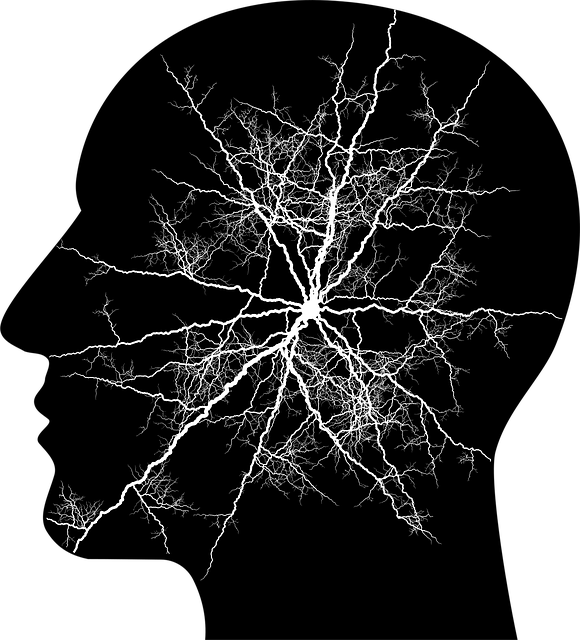
You know the feeling, but you might not have named it. It’s not just stress. It’s the specific texture of modern overwhelm:
- Decision Fatigue by 10 AM: Choosing a breakfast yogurt feels as monumental as a corporate merger because your brain is already exhausted from processing a thousand micro-choices online before you even left bed.
- The Phantom Buzz: You feel your phone vibrate in your pocket when it’s lying silent on the table across the room. Your nervous system is so conditioned to expect input, it now manufactures its own.
- Content Saturation: You read a poignant article, watch a devastating documentary, and scroll past a friend’s engagement announcement, all in three minutes. You feel nothing, then everything, then numb again. The heart can’t pace with the feed.
- Restless Rest: You finally sit down to relax, and within seconds, your hand twitches for a screen. True stillness feels like a void that must be filled, because emptiness has become unfamiliar, almost terrifying.
- The Shallow Breath: Notice it now. Is your breathing deep and full, or is it high in your chest, quiet and quick? Overstimulation lives in the sympathetic nervous system, the home of shallow breath and a ready-to-run heart.
We pathologize the fallout, calling it anxiety, ADHD, burnout, without always diagnosing the environment: a world engineered to hijack our attention.
The Cost of Constant Contact
This state of siege has a price. Creativity requires incubation, the quiet, bored space where new connections form. Deep connection requires sustained, undistracted attention. The kind that says, “In this moment, you are my only focus.” Peace requires intervals of silence, where the internal noise can settle like snow.
When we live overstimulated, we trade depth for breadth, meaning for momentum. We become wide but shallow rivers, moving fast but carving nothing profound.
The Resistance: Cultivating Understimulation
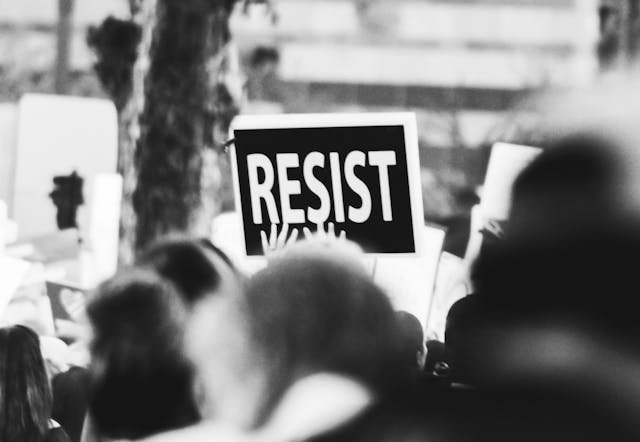
The cure for overstimulation is not better stimulation. It’s deliberate understimulation. It is a radical, counter-cultural act of subtraction.
This isn’t about moving to a cabin (though the fantasy is instructive). It’s about building a cabin of quiet inside yourself, wherever you are.
1. Embrace Single-Tasking as a Sacred Act.
Wash the dish. Just wash the dish. Feel the water, see the soap bubbles, notice the clean surface emerging. When you walk, just walk. Don’t podcast over it. This trains your brain to receive one stream of information at a time. It is neurological rehab.
2. Create Sensory Air Pockets.
For one hour before bed, let the only light be lamplight. Let the only sound be the hum of the fridge or the rain. Turn off all screens. Let your eyes adjust to the dark. This isn’t just sleep hygiene, it’s giving your senses a chance to shed the day’s layers.
3. Practice Doing Nothing with Purpose.
Sit by a window for five minutes. Don’t meditate (unless you want to). Don’t journal. Don’t optimize or reflect. Just sit. Let your mind wander like a child in a field. Boredom is not the enemy; it’s the fertile ground where your own thoughts finally get a chance to grow.
4. Introduce Friction.
The digital world is designed for frictionless consumption. Add friction back. Put your phone in a drawer. Use a physical book instead of an e-reader for a week. Leave your headphones at home on a walk. The pause between “I want” and “I get” is where your awareness lives.
5. Re-calibrate Your Nervous System with Your Body.
Your body exists in the tangible, slower world of physics. Anchor there. Feel your feet on the ground. Carry something heavy (groceries, a log). Hug someone for a full twenty seconds. Sweat. The physical world has a rhythm, and syncing with it pulls you out of the digital spin cycle.
The Quiet Rebellion
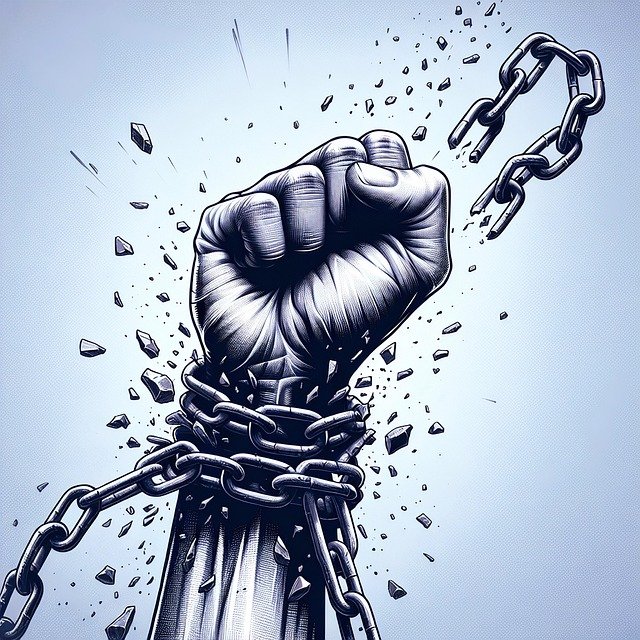
Living in a state of overstimulation is not a personal failing. It is the default setting of our time. To choose otherwise is a quiet rebellion.
It means believing that the most important thing happening is not on your screen, but in the room around you, in the breath within you. It means trusting that you will not miss out on what matters by stepping away from the noise; you will finally hear it.
Start small. Notice the hum. Then, for one moment, turn it off.
The silence that follows isn’t empty. It’s the sound of yourself, coming back to the surface, taking a deep, real breath at last.